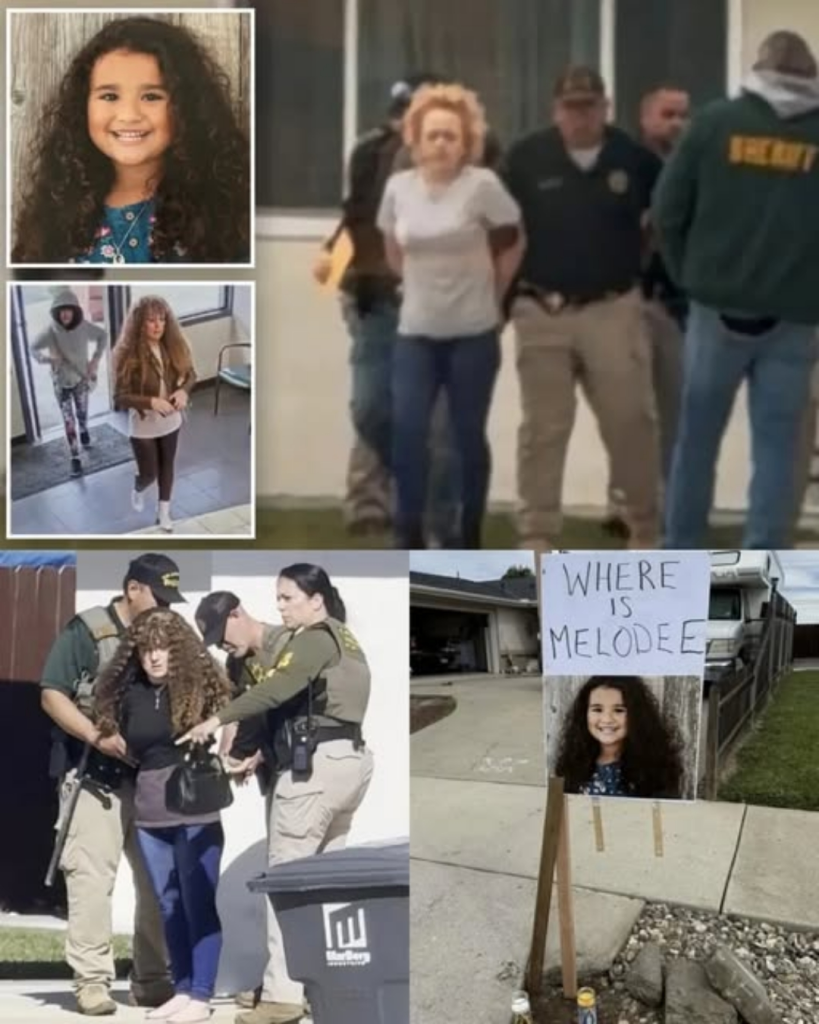
The news broke the way it always does in the age of alerts and scrolling banners—
a notification on a phone, a headline at the bottom of a screen, the word
BREAKING in red.
But for the people who had been whispering a nine-year-old girl’s name in their prayers for weeks, for months, this was not just news.
It was the end of a hope they had been clinging to with raw, aching hands.
BREAKING: SOURCES SAY THE BODY OF MELODEE BUZZARD WAS FOUND, MOTHER TAKEN INTO CUSTODY
The words were blunt.
There was no way to soften them.

For so long, “Where is Melodee?” had been both a question and a plea.
A simple sentence that carried the weight of a community’s fear, frustration, and desperate hope.
Nine-year-old Melodee Buzzard had been at the center of a case that felt wrong from the very beginning—a little girl whose disappearance raised more questions than answers, whose absence was reported only after time had already blurred the edges of the truth.
Missing posters had circulated.
Her face—innocent, smiling, framed in the square of a photograph—had become familiar far beyond the borders of her own hometown.
People who had never met her found themselves looking twice at little girls in grocery store aisles, at playgrounds, at gas stations, wondering if they might somehow, impossibly, cross paths with her.
There is a particular kind of heartbreak that comes with not knowing.
Not knowing if she’s scared.
Not knowing if she’s hurt.
Not knowing if she’s out there somewhere, waiting for someone to notice her, to say her name, to bring her home.
That ache kept people searching, sharing, speculating, praying.
And then, quietly—before the public knew it, before headlines could carry it—a discovery was made.
According to multiple reports, human remains had been found
earlier in December, in a remote area of Utah.
Remote.
The word conjures up a particular kind of isolation—dusty roads, long stretches of nothing, the kind of place you don’t just pass through by accident.
May you like
American War Hero & Coal Miner: The Story of Charles Dennis Buchinsky
A Lifetime of Valor: The Legacy of Colonel Hayden A. Sears
Operation Starlight: The Marines’ First Major Test in Vietnam
It was an area where investigators already knew that Ashlee Buzzard, Melodee’s mother, had previously traveled with her daughter.
That detail settled over everything like a shadow.
At first, the remains were someone.
A person.
A life story that had yet to be named.
Authorities did not rush to announce anything.
They did what they are trained to do: collected samples, sent them to a lab, waited on science to speak where speculation could not.
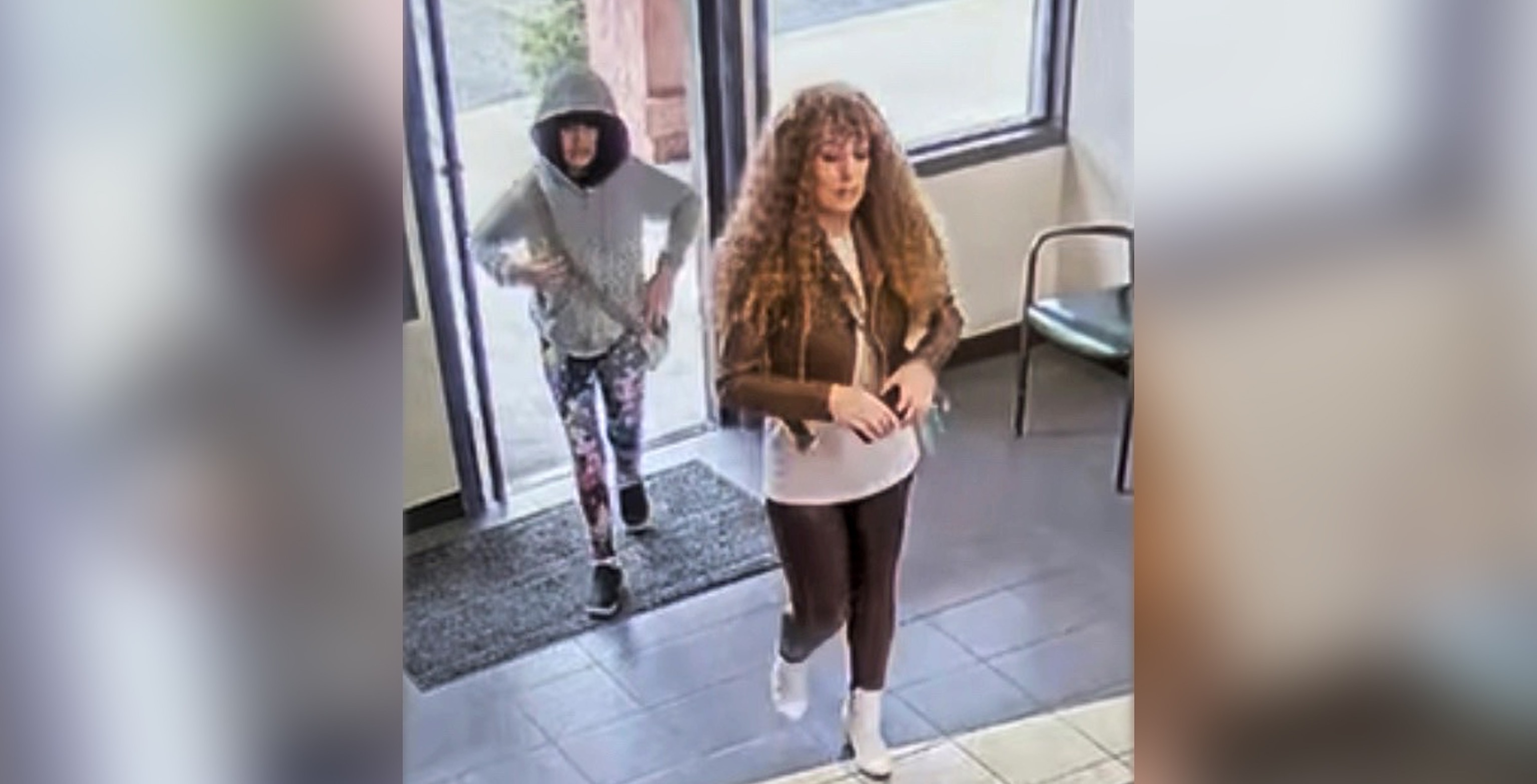
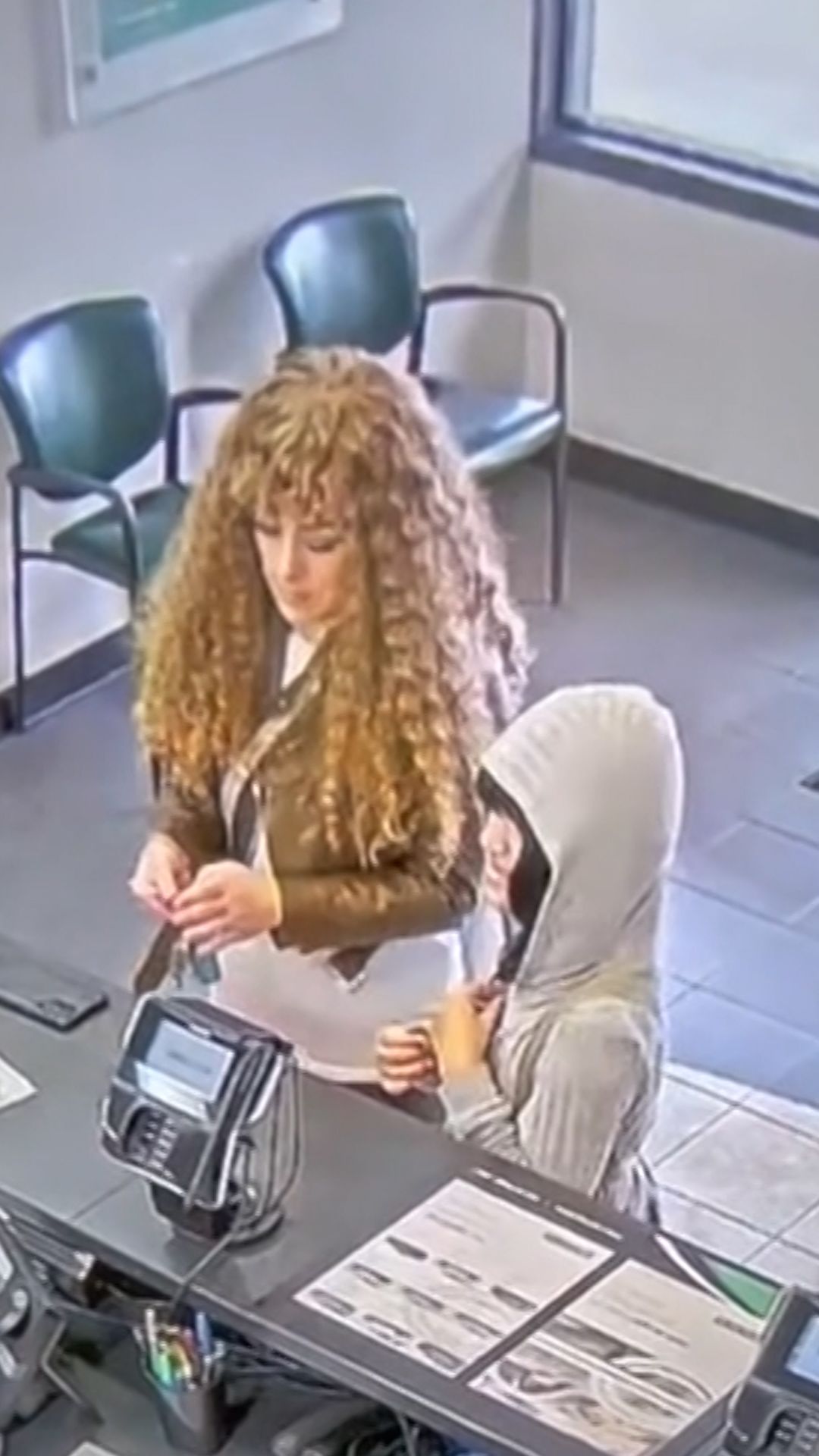
Behind the scenes, DNA tests began.
On the outside, the public conversation continued, unaware that in a lab somewhere, pieces of a story were being stitched together at the most microscopic level.
This week, those lab results came back.
They did not bring good news.
The DNA matched.
The remains were identified as Melodee Buzzard.
In the early hours of this morning, as most people were still pouring coffee, packing lunches, or scrolling mindlessly through social media, another quiet shift occurred.
Authorities moved.
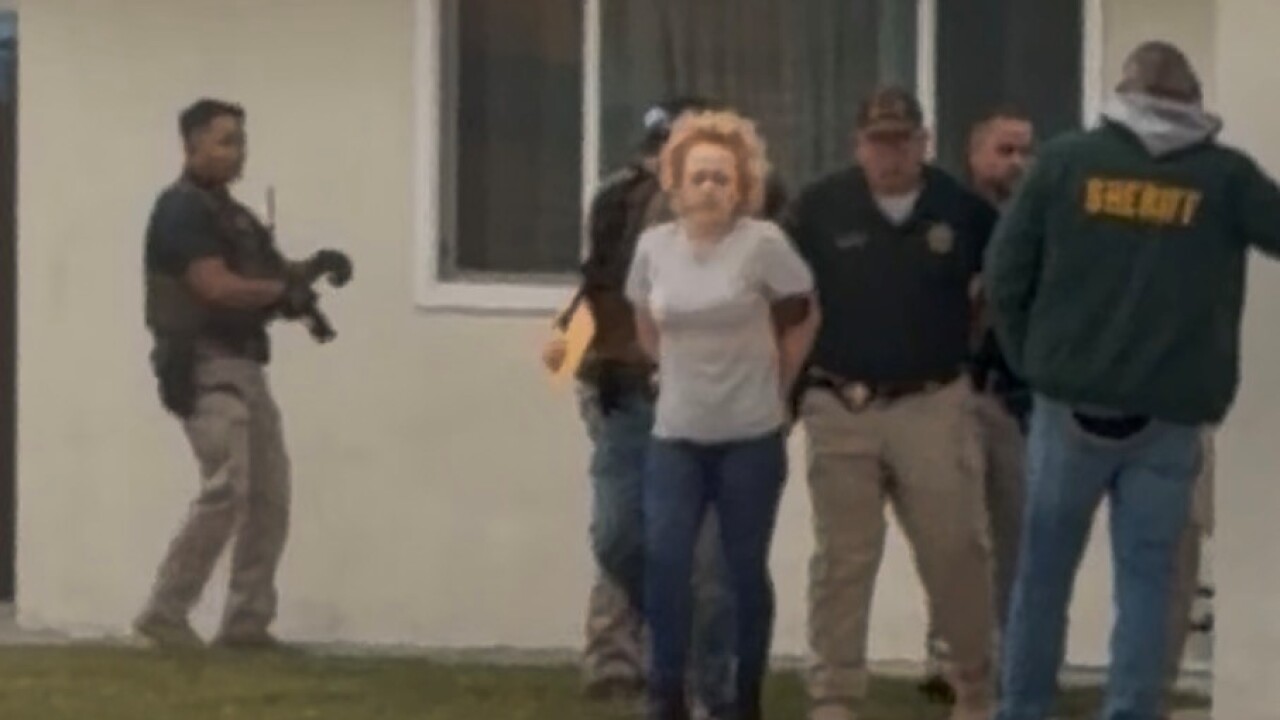
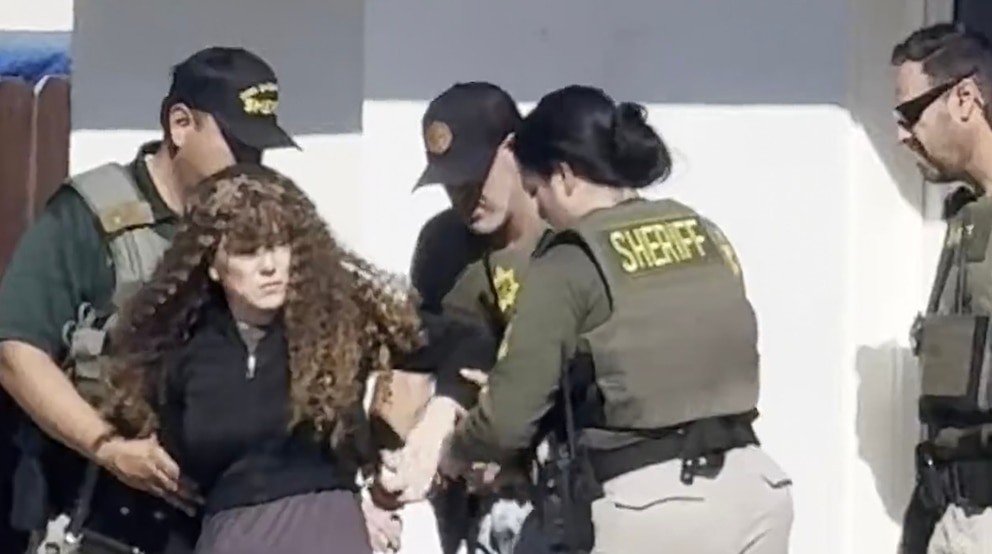
Ashlee Buzzard, Melodee’s mother, was taken into custody.
It was a sentence both shocking and, to some, not entirely surprising.
From the very beginning, there had been whispers, doubts, uncomfortable questions about timelines and stories that didn’t fit together as neatly as they should have.

Now, investigators say they believe something even more devastating:
Melodee may have been deceased for months before she was ever officially reported missing.
That reality is almost too heavy to process.
While her name was being shared and reshared.
While people were asking what they could do.
While strangers offered tips, theories, and prayers.
The little girl at the center of it all may have already been gone.

As of this moment, officials say that Ashlee has been taken into custody, but she has not yet been formally listed as booked into jail.
The official paperwork, the precise language of charges, the legal steps that will turn this moment into a full criminal case—those are still moving into place.
The Santa Barbara County Sheriff’s Office, which has been involved in the investigation, has confirmed that a press conference is scheduled for 2 p.m. PT.
There, they are expected to lay out more of what they know.
The timeline.
The discovery.
The evidence that led them to Utah.
The reasons they now believe Melodee died long before the world knew she was missing.
And, perhaps, the first indication of exactly what charges Ashlee Buzzard will face.
For now, official statements are minimal.
“This is a developing case,” is all most agencies will say on the record.
But between those few formal words, people are filling the silence with everything they are feeling.
Grief.
Anger.
Disbelief.
And, for many, a bitter, familiar question:
How could this happen?
To see the words “body of missing 9-year-old found” is to feel something inside you fold in on itself.
Nine is still all baby teeth and skinned knees, mispronounced words and too-big backpacks.
Nine is giggling over things adults find silly.
Nine is asking endless questions about how the world works.
Nine is glow-in-the-dark stars on bedroom ceilings, favorite stuffed animals, and dreams that still feel possible because no one has yet told you they’re not.
When a nine-year-old dies, it is not just a life that ends—it is a future erased.
There are birthdays that will never be celebrated.
Milestones that will never be reached.
A teenager she will never become.
An adult she will never be.
The gap left behind is not just in her family, but in the world she might have grown up to touch.

There is another kind of heartbreak here, one that is harder to say out loud because it feels almost unspeakable:
The person now in custody is the woman who brought Melodee into the world.
Her mother.
We are taught to think of mothers as safe places.
As protectors.
As the line between us and harm when we are small and powerless.
To even imagine that the person meant to shield a child from danger might instead be connected to that child’s death is to tear at something fundamental about how we understand family, trust, and love.



To be clear, as of this moment, charges have not yet been formally announced, and details about what investigators believe happened—and why—have not been laid out publicly.
Ashlee Buzzard, like anyone else, is entitled to due process, to a full and fair examination of the evidence, to legal representation.
But that reminder of process and presumption cannot dilute the visceral, human response to the idea that, for months, a little girl may have been missing from the world while those closest to her failed to sound the alarm.

In situations like this, two stories tend to form at once.
There is the official story:
the one built from phone records, travel logs, witness statements, timestamps, lab reports, and press conferences.
It is the story that will eventually find its way into courtrooms and case files, into transcripts and legal arguments.
And then there is the human story.
The one built from memories and photographs, from the sound of her voice, from the way she laughed, from the way she held a favorite toy or sang along to a favorite song.
That second story is the one that belongs to the people who loved her.
A grandmother who still has a birthday card she drew.
A teacher who still remembers where she sat in the classroom.
A neighbor who remembers seeing her ride a bike, or draw with chalk on the sidewalk, or wave shyly from a porch.
As the case moves forward, as law enforcement and media understandably focus on the mother, on the travel to Utah, on the months of silence, it can be easy for that first story—the crime story—to overshadow the second.
But Melodee Buzzard was more than a headline.
She was a nine-year-old girl.
A child.
A person.
She deserved protection.
She deserved to grow up.

This afternoon, when cameras are set up and microphones lined in a row, representatives from the sheriff’s office and other agencies will step before the public and answer what questions they can.
There will be facts—how, when, where.
There will likely be things they cannot yet discuss—why certain decisions were made, what specific evidence has been collected, what investigators believe were the intentions behind actions now under scrutiny.
They may ask for help.
For additional information from anyone who saw, heard, or knows anything about the time when Melodee was last seen alive, about travel to Utah, about what happened in the months before a missing persons report was finally filed.
They will likely emphasize that this is a developing investigation, that patience is needed, that accuracy matters.
But outside that press conference, in homes and workplaces and cars and online spaces, the emotional processing will continue in a language that is less careful and more raw.
“Poor baby.”
“I knew something was off.”
“How could anyone do this?”
“Why didn’t someone step in sooner?”
There is a temptation, when terrible things happen, to turn away.
To decide that it is all too much, too dark, too overwhelming.
To protect our own hearts by refusing to look directly at the pain of others.
But there is also a quieter, more powerful choice:
To let stories like Melodee’s remind us of the sacredness of children’s lives.
To look again when we feel something is wrong.
To speak up when a child slips from view or seems frightened, neglected, or controlled.
To believe that a missing report should never be delayed, dismissed, or minimized.
No one can go back and rewrite the timeline of this case.
No one can give Melodee back the months she may have spent missing from both her community and her own story.
But we can choose, going forward, to be people who pay attention.
Who listen when children speak.
Who refuse to let their names disappear without questions.
For now, what we know is this:
A little girl named Melodee Buzzard has been found.
Her body was located in a remote part of Utah, far from the everyday places where a nine-year-old should have been laughing, learning, and living.
DNA has confirmed her identity.
Her mother, Ashlee Buzzard, is in custody, and authorities believe Melodee may have been gone for months before anyone officially said she was missing.
More details will come.
There will be reports, charges, hearings, and, eventually, answers to some of the how and when and where.
But there is one truth that will not change, no matter what the press conference reveals or what future courtroom proceedings uncover:
A child is gone.
And that is a loss that reaches far beyond any one case.
As this story continues to unfold, may we remember Melodee not only as a victim in a criminal investigation, but as a little girl whose life mattered.
And may we hold space in our thoughts—for her, for anyone who loved her, and even, if we can manage it, for the difficult work of justice that must now begin.
“A Little Boy, A Big Change: Remembering Caleb and the Law Named After Him”.
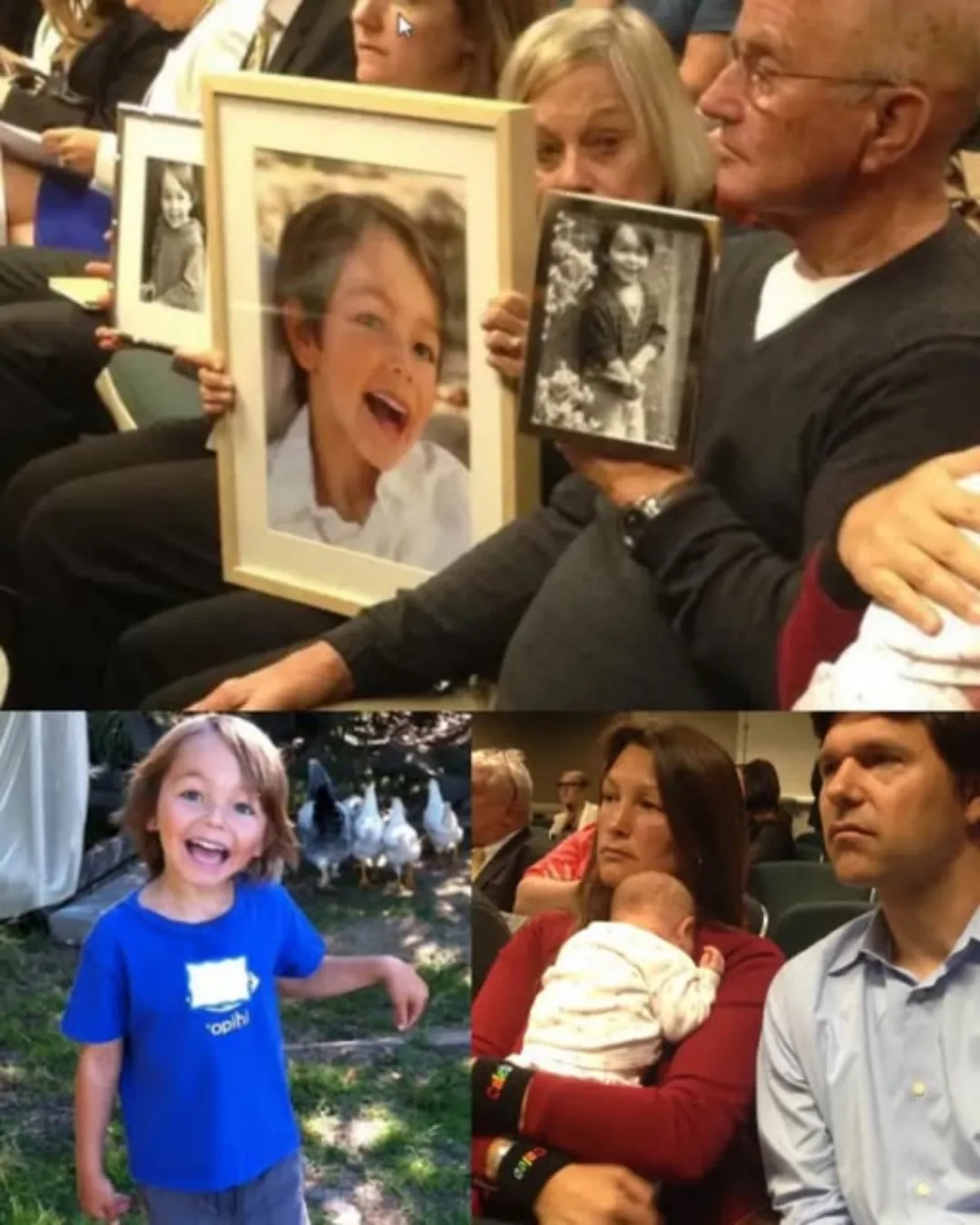
Caleb Sears was a bright and lively six-year-old boy living in the Bay Area.
He had just started his first year of elementary school, learning to read and write, and discovering the vast worlds hidden inside books.
Caleb loved playing with his little sister, their laughter echoing through the backyard on sunny afternoons.
He would climb trees as though he were a fearless explorer, his little feet finding balance on the rough bark.
He sang songs from Les Miserables, his voice sometimes off-key but filled with joy.
He made up funny stories about llamas and time machines, spinning tales that could make anyone smile.
To his parents, Caleb was a perfect child, healthy, full of curiosity, and the kind of boy who could light up any room he entered.
They cherished every moment with him, knowing how quickly childhood could pass.
In March 2015, Caleb’s parents took him to a reputable oral surgeon’s office for a dental procedure—a mesiodens extraction.
It was a necessary but elective procedure, routine in nature, yet fraught with invisible risk.
Caleb was calm and trusting, holding his mother’s hand as he was guided into the office.
He did not know, and could not know, that what was supposed to be a simple visit would turn into a nightmare.
The oral surgeon began administering general anesthesia, including Propofol, Fentanyl, Ketamine, and Versed.
Caleb closed his eyes and drifted into unconsciousness, unaware of the danger that had quietly crept in.
Minutes passed.
Then, silence.
Caleb had stopped breathing.
No one noticed immediately.
The oral surgeon was performing the procedure alone in his office, assisted only by a dental assistant and a sedation assistant.
There were no personnel specifically trained to respond to pediatric emergencies.
There was insufficient monitoring equipment to detect early warning signs.
The room, once filled with the promise of a routine procedure, became a chamber of despair.
When the staff finally realized Caleb was not breathing, it was too late.
He suffered massive, irreversible injuries.
Caleb died in that office, his young life cut short by a chain of preventable errors.
His parents were left in a whirlwind of grief, shock, and questions with no answers.
Caleb’s death was not an isolated tragedy.
It echoed the loss of other children who had suffered avoidable injuries or death under similar circumstances.
It was a call to action, a plea for reform that could prevent future heartbreak for families across California and beyond.
Out of this unimaginable sorrow arose a movement: Caleb’s Law.
The law was signed into effect in California by Governor Jerry Brown on September 23, 2016, coming into force on January 1, 2017.
Its aim was clear: to prevent another family from facing the devastating loss that Caleb’s parents endured.
Caleb’s Law required the Dental Board of California to establish a committee dedicated to studying the safety of pediatric anesthesia in dental offices.
The committee’s task was to determine whether additional safety measures could reduce the potential for injury or death among minors.
Findings would be reported to the Board and made publicly available, ensuring transparency and accountability.
The law also mandated that licensed professionals administering general anesthesia inform parents or guardians about the different practice models and safety precautions in place.
It emphasized the importance of informed consent, giving families the knowledge to make decisions that could safeguard their children’s lives.
Furthermore, Caleb’s Law facilitated the epidemiological study of pediatric anesthesia and sedation by requiring the Dental Board to collect more information regarding adverse events.
This data would form the foundation for safer practices, preventing tragedies before they could occur.
However, change was not without resistance.
A follow-up bill aimed to further improve safety by changing the way anesthesia was administered in dental offices, particularly for children aged six and under.
The goal was to phase out the operator-anesthetist model, where the same practitioner performs both the procedure and administers anesthesia.
The dental lobby met this proposal with strong opposition, citing concerns over tradition, cost, and operational constraints.
Yet for Caleb’s parents and advocates, these obstacles were secondary to one undeniable truth: every child deserves the highest level of protection when under sedation.
Caleb’s story became a rallying cry for parents, advocates, and lawmakers alike.
It reminded the public that even routine medical procedures carried risks, and that systemic safeguards were essential to prevent avoidable harm.
Communities rallied around the Sears family, their grief transformed into a powerful voice demanding change.
Every parent could imagine the unthinkable: bringing their child in for a routine procedure, only to never see them walk out again.
The fear and anguish Caleb’s family endured were a stark warning that safety must never be compromised, especially for the most vulnerable.
Through Caleb’s Law, California took a vital step forward.
It created a framework to study, inform, and prevent tragedies, honoring Caleb’s memory by striving to protect other children.
It was not just legislation—it was hope, a commitment that a single moment of negligence would not repeat itself in another family’s life.
Caleb’s parents, though forever marked by loss, became advocates for change.
They spoke at hearings, shared their story, and tirelessly worked to ensure that no other child would face what Caleb had endured.
They channeled grief into purpose, transforming a tragedy into a beacon of awareness and reform.
The story of Caleb Sears is one of joy lost too soon, of innocence destroyed by preventable error, but also of courage born from heartbreak.
It teaches a profound lesson about vigilance, accountability, and the moral responsibility we hold toward children.
It reminds us that change is possible, even from the depths of despair.
And it calls every parent, every medical professional, and every policymaker to stand together for the safety of the most precious lives.
Caleb’s smile, his laughter, his stories of llamas and time machines live on in memory, in the law named after him, and in the hope that one day, no parent will have to endure what his family did.
In remembering Caleb, we honor his life and commit to protecting the lives of children everywhere.Continue reading
He Went Up the Mountain Before Dawn and Never Came Back.
Dawn came slowly to the high country that Friday, the kind of pale winter light that makes the m…A Mother, a Prophecy, and a List That Ended Two Lives.Lori was the kind of mother people pointed to in the church parking lot, the kind whose laughter sou…She Was a Domestic Violence Counselor and a New Mother in Pain—Until the Night She Crossed the Guardrail at Niagara Falls With Her Two Children.The spray at Niagara Falls always looked like breath from something alive.A white, constant exhale t…A Quiet Georgia Town, a 911 Call, and the Teen Girl Accused of Killing Her Parents as They Slept.The quiet rural calm of Tyus, Georgia, was torn apart by a crime so disturbing that even seasoned in…A Routine Call on a Quiet Summer Night Ended the Life of 26-Year-Old Officer Mohamed Said in Melvindale.The summer night of July 21, 2024, settled gently over the city of Melvindale, Michigan.The air was…
Powered by Metaconex

Leave a Reply