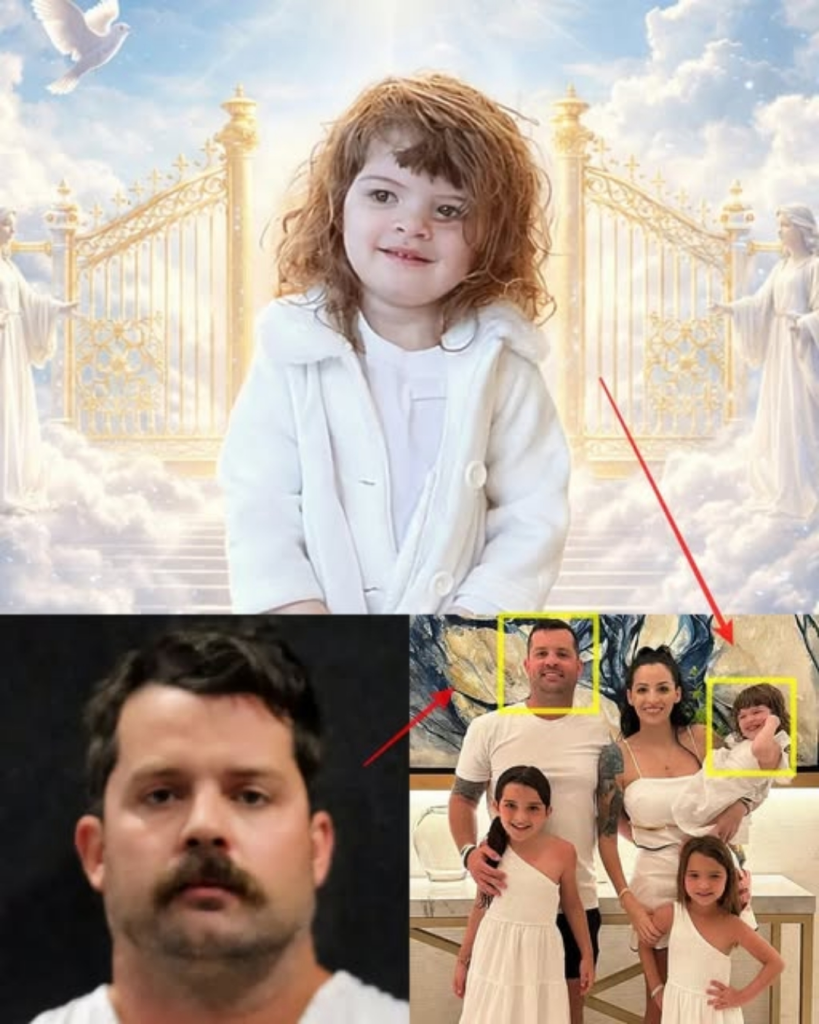
It was a sweltering summer day in Arizona, the sun beating down relentlessly, when a moment of distraction forever altered a family’s life. Christopher Scholtes, a 34-year-old father, left his two-year-old daughter in the backseat of his 2023 Honda Acura SUV. What should have been a brief nap for the child became a tragedy that would ripple far beyond a single household.
Scholtes, reportedly engrossed in playing video games inside his home, lost track of time. Hours passed while his daughter remained trapped in the sealed vehicle, the temperature inside rising to lethal levels. Emergency responders were called after Scholtes discovered her unconscious in the car. Despite their swift response, the child could not be revived. She was pronounced dead shortly thereafter, the victim of heatstroke — a death entirely preventable.
Authorities launched an immediate investigation. Scholtes claimed he had simply forgotten his daughter in the car, an instance of distraction rather than intent. Yet the extreme carelessness of leaving a child unattended in a hot vehicle, especially in Arizona’s soaring temperatures, transformed this lapse into a fatal mistake. Experts have long warned that even on a mild day, the interior of a car can reach deadly temperatures in minutes, with young children particularly vulnerable due to their inability to regulate body heat.
https://youtube.com/watch?v=stKLyBltLQ4%3Fembeds_referring_euri%3Dhttps
Scholtes was charged with reckless homicide, a serious offense carrying the possibility of years behind bars. Prosecutors offered a plea deal, likely to ensure a swifter resolution and a defined period of accountability. Scholtes rejected the offer, choosing to take his case to trial. Some legal analysts suggest that this decision reflects his desire for a full hearing or the hope of a reduced sentence, but for the public and the family, it added a new layer of heartbreak to an already unimaginable loss.
The emotional toll on Scholtes is undeniable. Friends and acquaintances describe him as a devoted father, someone who loved his children deeply. Yet, the weight of knowing that a moment of distraction ended his daughter’s life is a burden he will carry forever. Even if the legal system eventually offers leniency, the grief, guilt, and self-recrimination cannot be undone.
For the community, the tragedy is both shocking and instructive. It underscores the dangers that even everyday distractions can pose, particularly during extreme weather. Public awareness campaigns about heatstroke in vehicles have repeatedly emphasized that leaving a child alone in a car is one of the most preventable causes of death among young children. This case serves as a devastating reminder of the stakes.

Families and caregivers across the region have been forced to confront the fragility of life and the importance of vigilance. The incident sparks urgent discussions about parental responsibility, the risks of inattention, and the need for systems — alarms, checklists, and reminders — that can prevent such tragedies from recurring.
Scholtes’ decision to reject the plea deal also brings attention to the legal dimensions of preventable child deaths. Courts must weigh intent, negligence, and the impact of actions when determining appropriate sentencing. Reckless homicide charges reflect the understanding that while the act may not have been deliberate, the consequences are no less severe. The trial promises to be both legally complex and emotionally charged, with the community closely observing how justice is administered.
May you like
American War Hero & Coal Miner: The Story of Charles Dennis Buchinsky
A Lifetime of Valor: The Legacy of Colonel Hayden A. Sears
Operation Starlight: The Marines’ First Major Test in Vietnam
The human story behind the statistics is devastating. A young girl, full of curiosity, laughter, and life, had her world cut short by a single lapse. Her family, already reeling from grief, must navigate not only the loss itself but the societal conversations surrounding accountability, parenting, and prevention. Friends, neighbors, and the broader public are left to mourn while questioning how such preventable tragedies can be avoided in the future.

Advocacy groups have pointed to this case as a call for stronger safety measures. Recommendations include vehicle alarms that detect a child left inside, parental reminder systems, and widespread public education about the speed with which temperatures in a car can rise. The goal is to prevent another family from enduring the heartache that Scholtes’ family now faces.
Even as legal proceedings unfold, the emotional aftermath remains immediate. The memory of a child who should have spent her days exploring, playing, and learning is replaced by mourning, regret, and a stark reminder of the fragility of life. The lessons are both personal and communal: vigilance matters, even in seemingly ordinary circumstances; every decision carries weight; and prevention is always preferable to reaction.
Christopher Scholtes’ daughter will never take another step, never speak another word, never grow beyond the age of two. Her brief life, however, leaves a lasting imprint, compelling those who hear her story to reflect on the responsibilities of parenthood and the unforgiving consequences of momentary inattention.
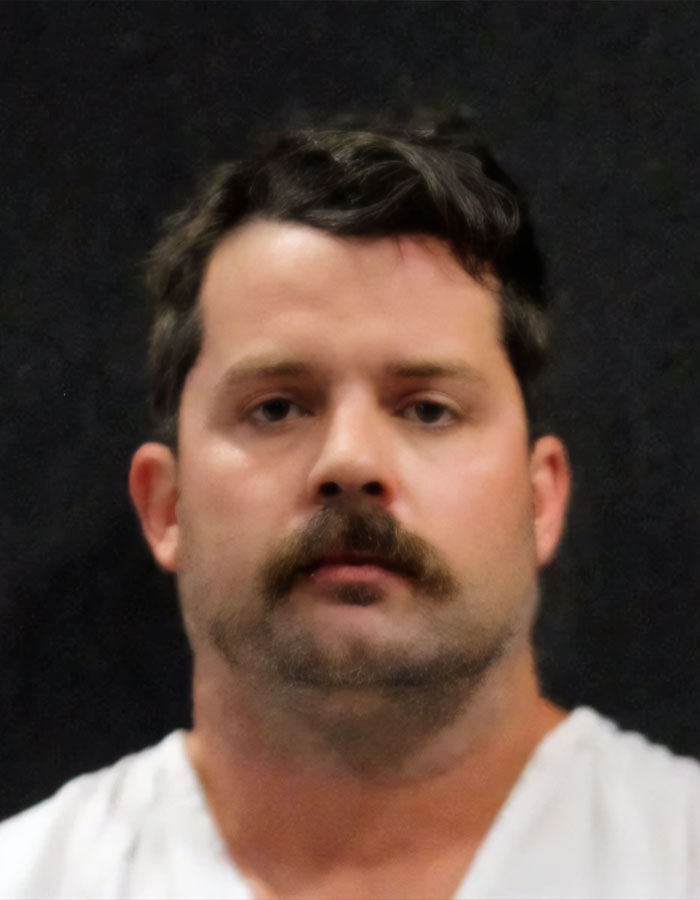
The tragedy has reignited conversations about child safety in vehicles, reinforcing the critical importance of education and preventive measures. Public safety officials stress that heatstroke deaths are entirely preventable when caregivers remain attentive and informed. Each new case serves as a reminder that even routine routines — naptime, errands, brief absences — can carry life-or-death implications under extreme conditions.
For Scholtes, the coming trial will determine the legal consequences of his actions, yet the personal consequences are already set. The guilt and sorrow, the daily reminder of a life lost due to a preventable mistake, will accompany him indefinitely. For the community, it is a somber lesson about attention, care, and the devastating cost of a momentary lapse.
This tragedy also reflects the societal responsibility to support parents, educate caregivers, and implement systems that protect children from harm. Advocacy efforts emphasize that technology, awareness campaigns, and community vigilance can prevent countless deaths each year. Scholtes’ case, while heartbreaking, serves as a catalyst for this essential dialogue.

Even in grief, there is the potential for awareness and change. The memory of a little girl who died too young now becomes a powerful reminder: children are vulnerable, parents and caregivers are accountable, and preventable tragedies demand our attention.
The story of Scholtes’ daughter is both a warning and a plea. It calls on families, communities, and society at large to remain vigilant, to take preventive measures seriously, and to understand the irreversible consequences of a moment’s distraction. Her life, though tragically short, continues to teach and to inspire change — ensuring that her story may save others from a similar fate.

In the end, the loss is permanent, the grief profound, and the heartbreak undeniable. But the awareness sparked by this tragedy, the conversations about safety, and the call to protect our most vulnerable can honor her memory in a way that prevents future deaths. Every parent, caregiver, and community member is reminded that vigilance is not optional — it is essential.
Christopher Scholtes will face the courts, but the broader lesson belongs to all who care for children: one moment of inattention can change everything. The life of a young girl lost in a hot car underscores this truth with tragic clarity, compelling action, reflection, and vigilance for the safety of every child.



When the Ice Broke: The Rescue of Gunther and Wilhelm
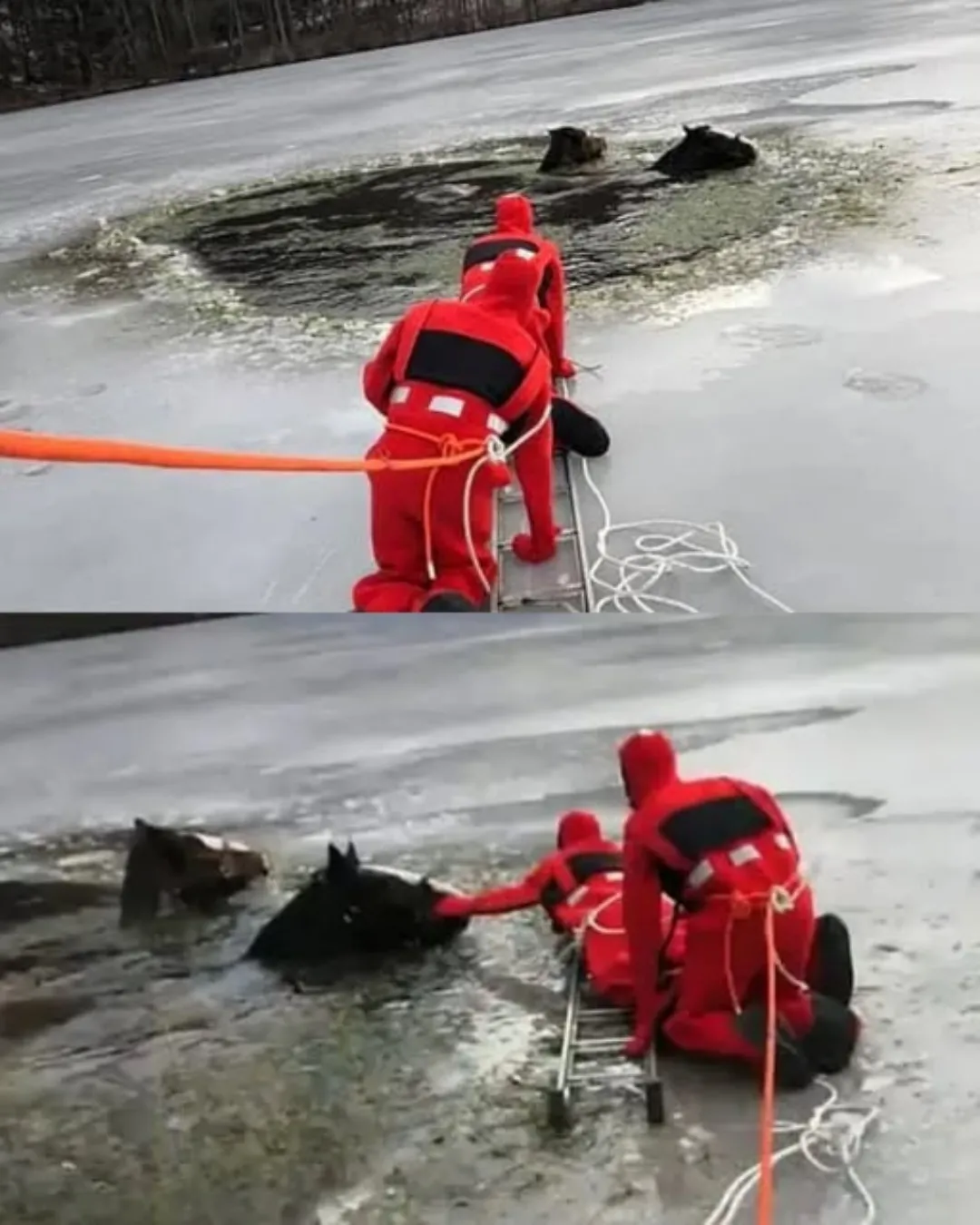
The air was still, the lake silent — a sheet of white stretching endlessly under the pale winter sun. Then came the crack. Sharp. Echoing. Followed by a desperate sound that would draw an entire community to one impossible rescue.
Two Clydesdales — massive, gentle giants named Gunther and Wilhelm — had wandered onto the frozen surface, their heavy hooves pressing down on ice that could not hold them. For a few fleeting seconds, they stood still, their breath misting in the cold air. Then the ice gave way.
A thunderous splash shattered the silence. Both horses plunged into the freezing water, their powerful bodies thrashing against the jagged edges of broken ice. The shock of the cold hit instantly, stealing their strength with every moment that passed.
By the time rescuers arrived, the scene was heartbreaking. The two animals were trapped — half-submerged, exhausted, and terrified — their massive weight making it impossible to lift them out. Every attempt to pull them failed. The ice groaned with each movement, threatening to collapse further.
But giving up was never an option.
Firefighters, animal control officers, and volunteers gathered quickly, forming a plan that defied the odds. They couldn’t lift the horses — so they would lead them out.
Using chainsaws and axes, they began cutting a narrow channel through the ice, one that would stretch slowly from the hole where the horses had fallen all the way back to the shore. The work was brutal. Ice shards flew. The water numbed every hand that touched it. But through the freezing wind, one sound never stopped — the rescuers’ voices.
“Easy, boy… stay with me, Wilhelm.”
“You’re doing great, Gunther. Just a little more.”
They spoke constantly, calmly, like the rhythm of hope keeping the animals moving. Inch by inch, the great horses pushed forward — guided, encouraged, and steadied by the people who refused to let them drown.
At one point, Gunther’s head dipped low, his nostrils barely above the surface. A rescuer waded closer, gripping his halter and whispering, “Don’t you quit on me.” The crowd on the shore fell silent, watching in tense stillness. Then, with a shuddering heave, Gunther found his footing again and took another step forward.
It took nearly two hours to cut through enough ice for the horses to reach shallow ground. When at last their hooves touched solid earth, the entire lakeside erupted — not in cheers, but in quiet relief. Dozens of hands rushed forward with blankets, hay, and anything that could bring warmth. The firefighters’ faces were red with cold, their coats soaked through. But no one left.
Gunther and Wilhelm stood trembling, their massive chests rising and falling in uneven breaths. Steam rose from their wet coats as people pressed blankets over their backs, rubbing them gently to restore circulation. Someone handed a rescuer a thermos of coffee, but he shook his head — still focused on the horses.
Minutes passed. Then, slowly, Gunther moved first. His front legs bent, then straightened. He rose — unsteady but standing. The crowd gasped, then began to clap softly. Wilhelm followed, his body quivering but determined. Both horses stood side by side, heads low, sides heaving, their breath returning in visible clouds.
They were alive.
The scene — captured in photographs later shared online — became a testament to something larger than heroism. It wasn’t about a dramatic rescue by a single person, but about what happens when a group of strangers chooses to act instead of watch.
One firefighter later said, “You can’t measure moments like that in time — only in heart. We were freezing, but we weren’t going to stop. You don’t walk away from a life that’s still fighting.”
In the days that followed, Gunther and Wilhelm recovered fully. Their owners said the two gentle horses were inseparable — working, eating, even resting side by side. After the incident, they grew calmer around people, as if they somehow knew they had been saved by the kindness of human hands.
Local residents still talk about that day — the sight of two great horses emerging from a frozen lake, the sound of chainsaws and shouted encouragements, the smell of wet fur and wood smoke in the cold air. A reminder that courage doesn’t always roar; sometimes it’s just steady hands, steady voices, and the belief that even when the ice breaks, something worth saving remains.
In a world often divided by noise and indifference, the rescue of Gunther and Wilhelm became a story of quiet unity — a frozen morning where compassion thawed the coldest of waters.
They survived not because of luck or strength alone, but because people decided to care — to stand, to fight, and to hold on until life came back.
And maybe that’s the lesson the lake left behind:
When others fall through the ice — literally or otherwise — sometimes all it takes is someone who refuses to just watch.Continue reading
He Went Up the Mountain Before Dawn and Never Came Back.
Dawn came slowly to the high country that Friday, the kind of pale winter light that makes the m…A Mother, a Prophecy, and a List That Ended Two Lives.Lori was the kind of mother people pointed to in the church parking lot, the kind whose laughter sou…She Was a Domestic Violence Counselor and a New Mother in Pain—Until the Night She Crossed the Guardrail at Niagara Falls With Her Two Children.The spray at Niagara Falls always looked like breath from something alive.A white, constant exhale t…A Quiet Georgia Town, a 911 Call, and the Teen Girl Accused of Killing Her Parents as They Slept.The quiet rural calm of Tyus, Georgia, was torn apart by a crime so disturbing that even seasoned in…A Routine Call on a Quiet Summer Night Ended the Life of 26-Year-Old Officer Mohamed Said in Melvindale.The summer night of July 21, 2024, settled gently over the city of Melvindale, Michigan.The air was…
Powered by Metaconex

Leave a Reply