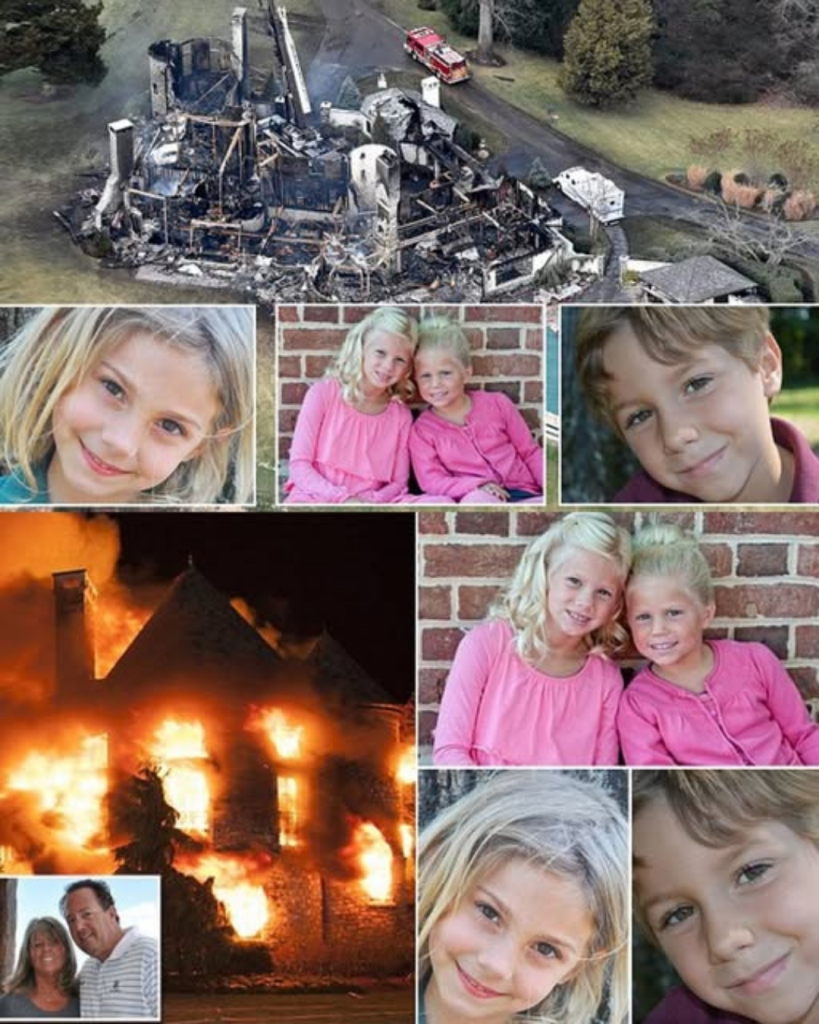
The Pyle house was the kind of place people pointed at slowly as they drove by, the kind of mansion that looked too steady, too permanent, to ever be touched by chaos.
It stood in quiet confidence, wrapped in winter stillness, surrounded by the comfort of money, space, and years of careful living that suggested nothing truly bad could ever cross its threshold.
Inside, on the weekend of January 18, 2015, it held something far more valuable than its walls.
Grandparents.
Four children.
And the simple belief that they were safe.
The children had come to visit
Don Pyle and Sandra Pyle, known lovingly as Pop-Pop and Dee-Dee, the way kids visit people who feel like a second set of parents, softer and more indulgent than the first.
There were hugs that lingered longer than usual, snacks that appeared without being requested, and laughter that filled rooms before anyone thought to lower their voice.
For four young grandchildren, the mansion was not intimidating.
It was simply Pop-Pop and Dee-Dee’s house.
And that meant it was home for the weekend.
Earlier that night, the family did what families do when they choose memories over routine.
They went to Medieval Times, where lights were dramatic, cheers were loud, and the children’s faces caught every flash of spectacle as if it were designed just for them.
Afterward, they stopped at Target for costumes, because childhood does not end when the car ride does, it just keeps reaching for one more moment of wonder.
Those costumes were not just purchases.
They were possibilities folded in plastic and cardboard.
A cape.
A crown.

A child transformed into a hero, a knight, a princess, someone whose story always ends safely.
May you like
American War Hero & Coal Miner: The Story of Charles Dennis Buchinsky
A Lifetime of Valor: The Legacy of Colonel Hayden A. Sears
Operation Starlight: The Marines’ First Major Test in Vietnam
No one inside the brightly lit aisles could see the clock drifting toward 3:30 a.m., when everything would change.
Back at the mansion in Ruxton, night settled in like a heavy blanket.
Lights were turned off.
Doors were locked.
Children, tired from excitement, slipped into sleep with the easy trust of kids who believe mornings are guaranteed.
The house held them quietly, a massive structure full of small breaths, full of hearts beating without fear.
In another room, a Christmas tree still stood.
Fifteen feet tall.
Magnificent.

Long past the holidays, it remained as if time had moved on while it stayed rooted in celebration.
Weeks later, its needles were no longer festive.
They were dry.
Brittle.
Waiting.
Investigators would later determine that the spark was not malicious.
No candle.
No match.
No human intent.
It was an electrical fault beneath the tree, the kind of hidden failure that offers no warning until it offers devastation all at once.
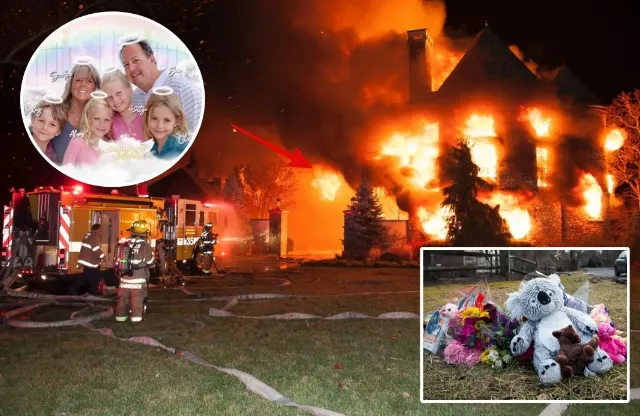
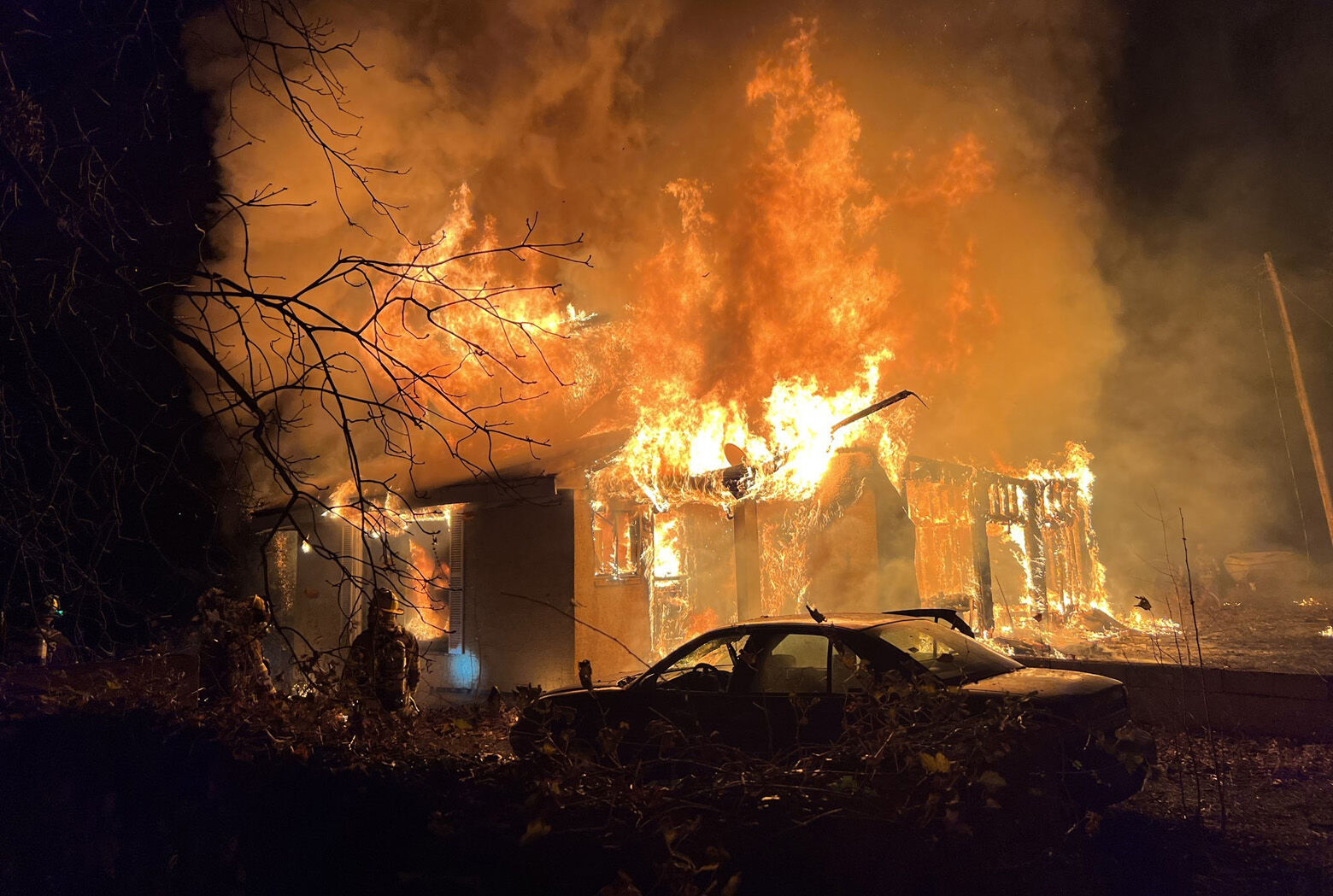
At around 3:30 a.m. on January 19, the mansion became a furnace in minutes.
Fire does not announce itself politely.
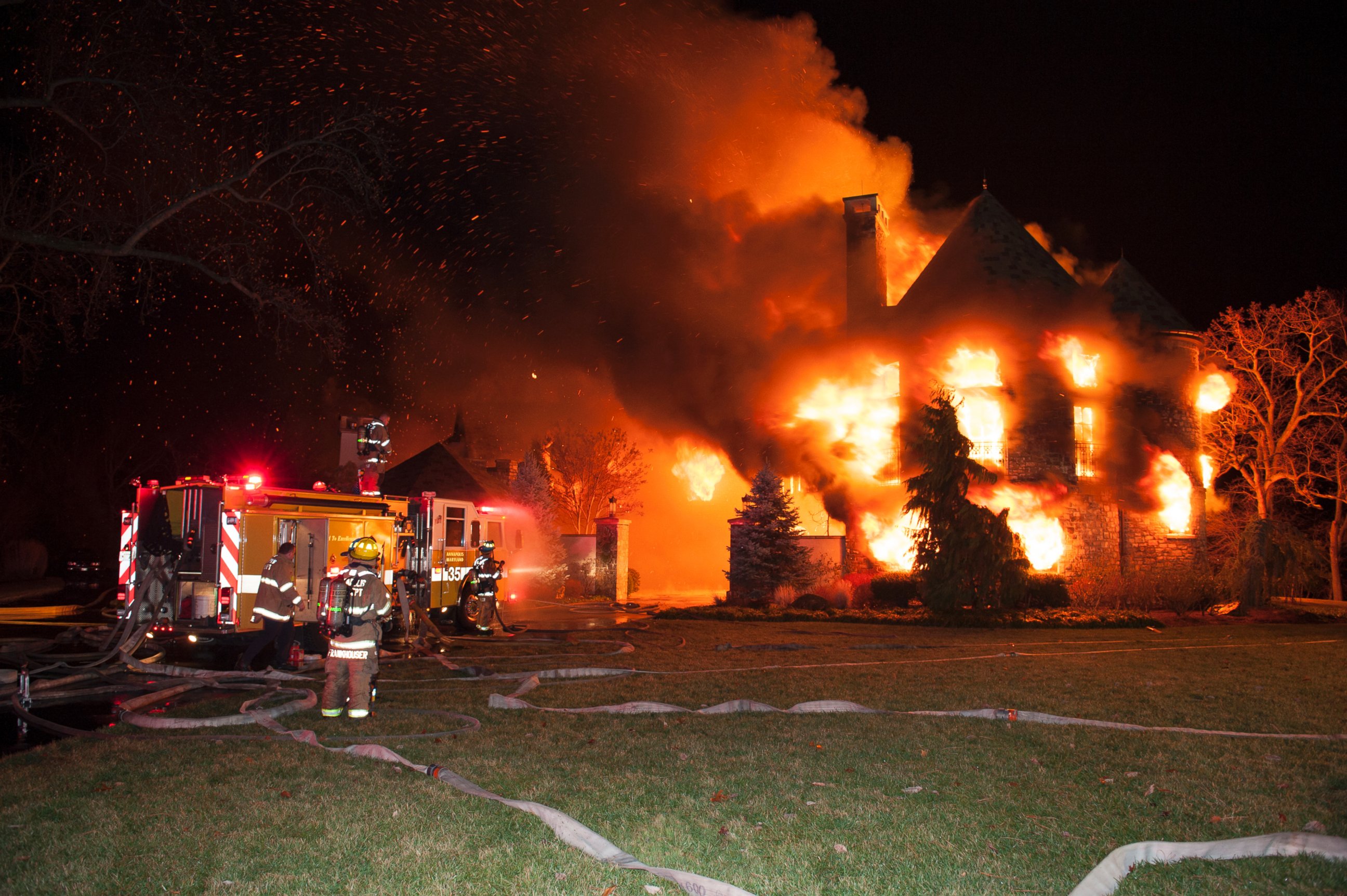
It does not wait for you to wake fully before it begins taking everything.
It runs along air and fabric and dry needles with an almost unreal speed, like something that has been starving.
The Christmas tree ignited rapidly, turning a symbol of warmth into the first weapon.
Smoke alarms screamed, exactly as they were designed to do.
But alarms only help when time still exists.
In this fire, time collapsed.
Flames spread so quickly that what might have been escape in another home became impossible here.
Firefighters later used a word that sounds almost gentle until you understand it.
Flashover.

The moment when heat and gases ignite together and a room itself becomes lethal.
Investigators concluded the conditions created a flashover that made escape impossible, a phrase that carries six lives with terrifying calm.
Hallways became chimneys.
Staircases became traps.
Doors became distances that could not be crossed in time.
Even a mansion can become too small when fire expands faster than human movement.
Inside were Don and Sandra Pyle, grandparents who built their lives around love, tradition, and showing up.
They were sports fans, travelers, collectors of shared experiences rather than things.
They were the kind of grandparents who listened, who hosted, who let children be loud without being too much.
That night, they were simply doing what they always did.
Keeping the children close.
Letting them feel protected.
The four children were still young enough that their dreams sounded like truth.
Alexis Boone, eight, known as Lexi.
Kaitlyn Boone, seven, called Katie.



Charlotte Boone, eight.
And Wesley Boone, six, called Wes.

In the days that followed, people would repeat their names carefully, like prayers, refusing to let them dissolve into a single statistic.
Charlotte was described as curious and intelligent, the kind of child who carried imagination like a flashlight.
She loved making videos with her guinea pig and dreamed of running an animal rescue one day, a child’s way of saying she wanted to save what others overlooked.
Wes was gentle and affectionate, the kind of little boy who saw the world as something you could build.
He wanted to create robots, which meant he believed problems could be fixed if you stayed curious long enough.
Lexi dreamed in more than one direction, imagining herself as a veterinarian or on television, and was especially excited for her First Communion, a milestone she likely discussed with solemn enthusiasm.

Katie loved Taylor Swift songs, a detail that makes her instantly real, a child whose voice probably filled rooms with music adults did not realize they would one day miss so deeply.
All four fell asleep carrying the afterglow of dinner, costumes, and laughter.
They could not have known the air would change before morning.
Fire like this does not allow choices.
It grows.
It feeds.
It removes time before people realize they need it.
An electrical fault has no face to fight, no intention to plead with.
It is silent until it is everything.
The Bureau of Alcohol, Tobacco, Firearms and Explosives, alongside local fire officials, spent six months investigating.
They concluded the fire was accidental, caused by that electrical fault beneath the towering tree, which had become dangerously dry weeks after Christmas.
Accidental is a word that can feel cruel.
Because it means no enemy chose this.
No person decided these lives should end.
It means the universe did it without hatred, which can feel even harder to accept.
Once flashover occurs, survival narrows to almost nothing.
Heat becomes unbreathable.
Movement becomes impossible.

Escape routes vanish.
Everyone inside died.
Don and Sandra Pyle.
Lexi.
Katie.
Charlotte.
Wes.
Six lives lost in a single night.
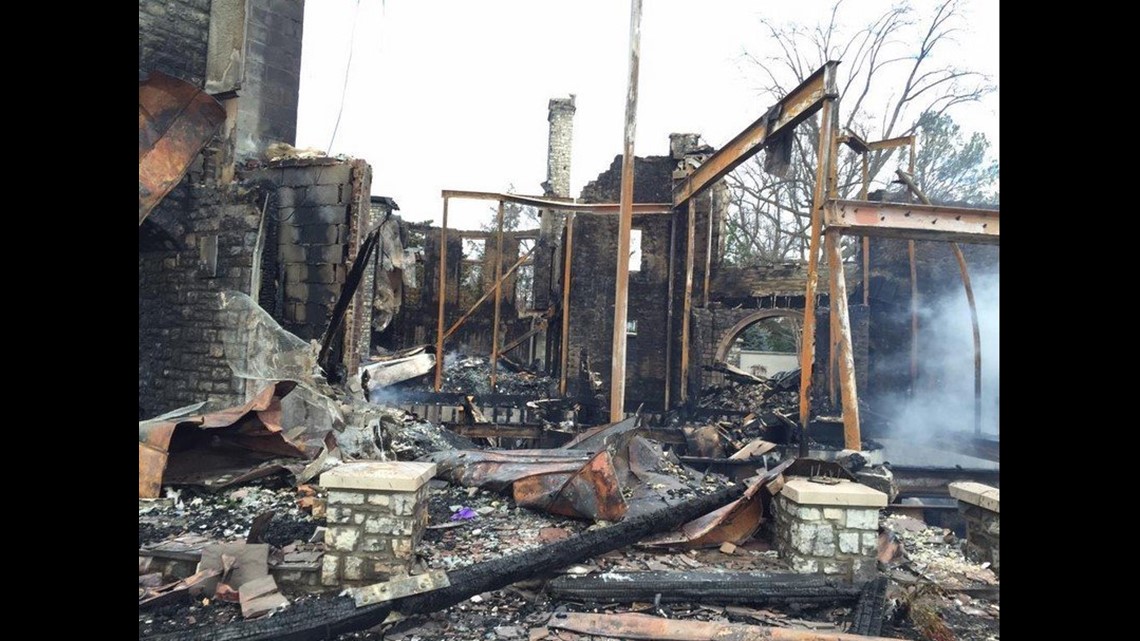
By morning, the mansion was unrecognizable.
Blackened beams.
A sky that remained indifferent.
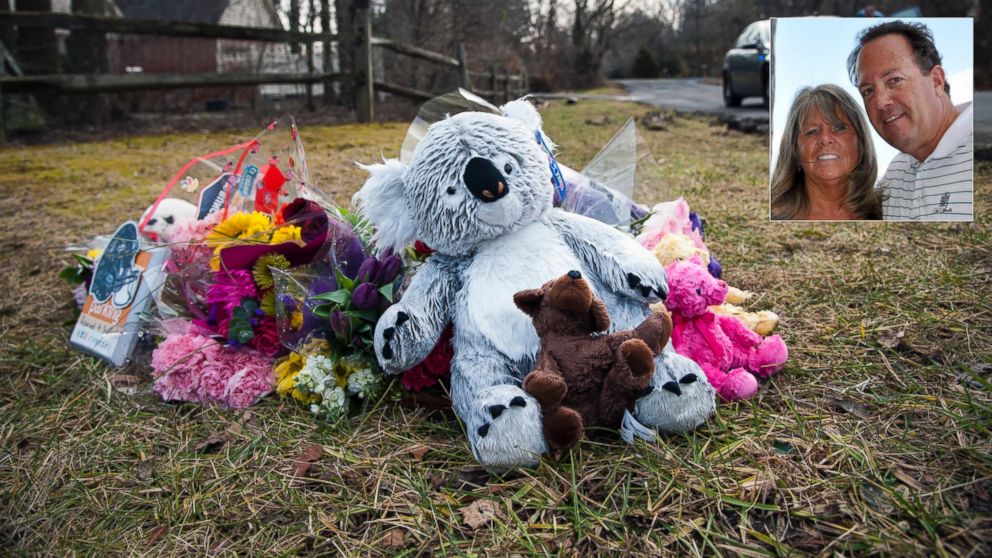
Neighbors and first responders spoke in whispers, as if loud voices might somehow make it worse.
Grief moved through the community in waves.
People searched for reasons, because randomness feels like a threat to every family still eating breakfast together.
They asked what could have been done differently, even though hindsight cannot reopen doors fire has already closed.
Photographs from the night before became sacred.
Children smiling.
Costumes in hand.

Proof that happiness had existed only hours earlier.
The investigation explained the cause, but explanation did not bring comfort.
Facts do not soften the ache of imagining children waking frightened in the dark.
Afterward, people changed small habits.
Trees came down earlier.
Cords were checked twice.
Smoke alarms tested again and again.
Those acts matter.
But they also reveal a truth.
That safety is never guaranteed.
What endures are the names and the love behind them.

A reminder that ordinary joy can exist right up until the moment it doesn’t.
If there is mercy in telling this story, it is the chance to keep them from being forgotten.
To say their names out loud.
To remember Pop-Pop and Dee-Dee as grandparents who opened their home and their hearts.
To remember four children as more than victims, but as dreamers who loved animals, music, robots, faith, and imagination.
And perhaps the story asks something of the rest of us.
To treat care as sacred.
To love loudly while we can.
Because on an ordinary night, a family went to dinner, bought costumes, came home, and went to sleep believing tomorrow would arrive.
By morning, six lives were gone.
But their meaning did not disappear with the flames.
As long as their names are spoken with tenderness, a part of them remains where fire can never reach.
The Hero on Four Paws: Stray Dog Saves Woman from Assault in Stunning Bus Stop Footage
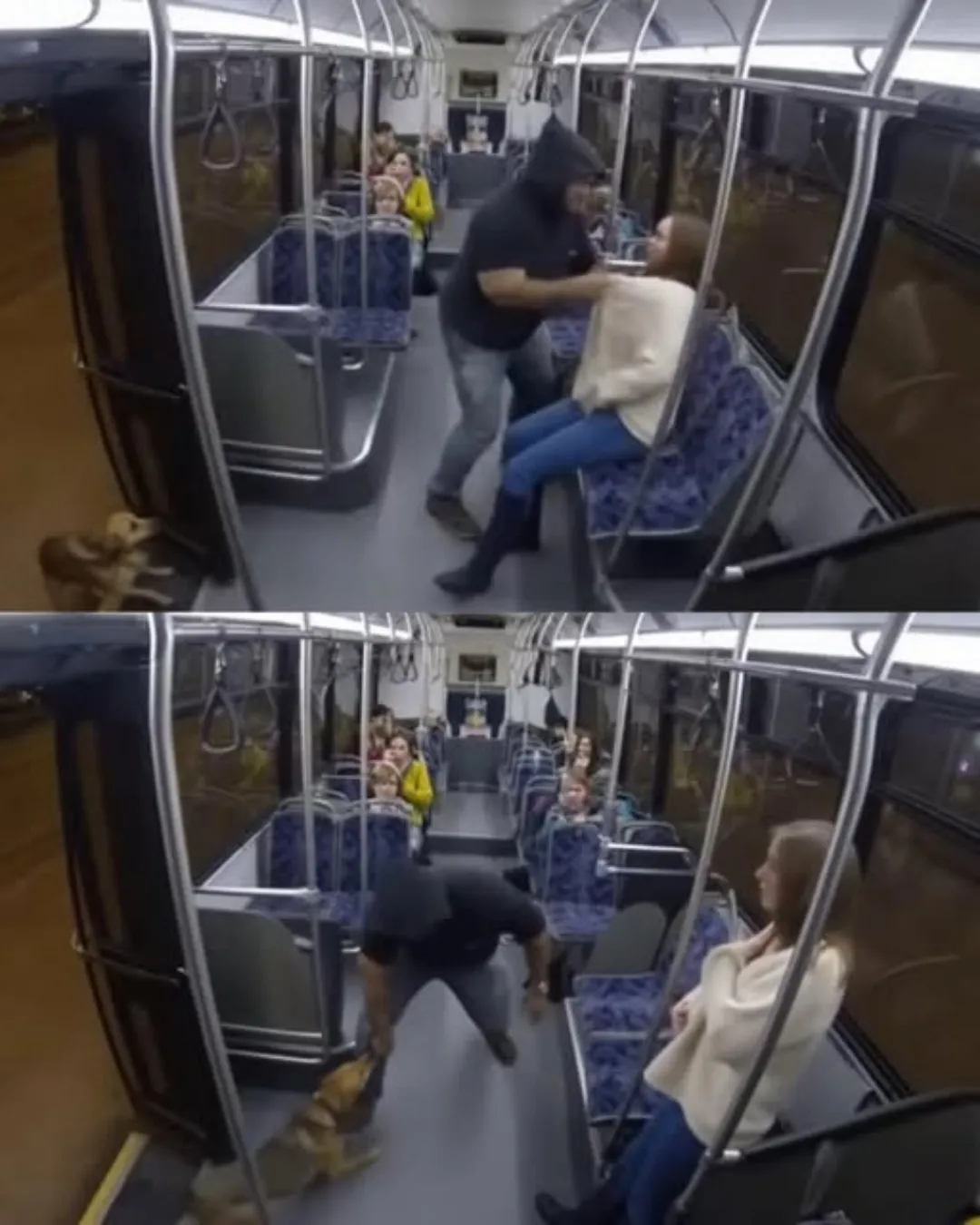
In a moment that shocked and inspired thousands around the world, a stray dog in a busy city neighborhood became an unlikely hero — saving a woman from an assault in front of stunned onlookers.
It happened on what seemed like an ordinary afternoon. Security cameras at a crowded bus stop captured people waiting in line, some scrolling on their phones, others chatting or lost in thought. Amid them was a lone stray dog — a brown-and-white mutt that locals said often lingered nearby, quietly watching people come and go.


Leave a Reply